Understanding Your Baby’s Sleep Patterns: The Latest Science
As parents or caregivers, we’ve all been there rocking a little one to sleep, wondering why some nights feel like a dream while others turn into an all-night marathon. Babies’ sleep patterns can seem mysterious, but recent scientific research is shedding light on what’s happening behind those tiny fluttering eyelids. Here’s a look at the latest findings to help you navigate nap times and bedtimes with a little more confidence.
Sleep Cycles Are a Work in Progress
One thing science has made clear: babies don’t sleep like adults, and that’s by design. A 2023 study from the Journal of Sleep Research highlights that newborns cycle through sleep phases much faster than grown-ups—about 50-60 minutes compared to our 90-minute cycles. They also spend nearly half their sleep time in REM (rapid eye movement) sleep, the dreamy, brain-building phase. This is Mother Nature’s way of supercharging their growth and development, wiring up those neural connections at lightning speed.
What does this mean for you? Those frequent wake-ups aren’t just about hunger or a wet diaper—your baby’s brain is busy maturing, and their shorter sleep cycles make them more likely to stir between phases. The good news? By around 3-6 months, many babies start consolidating sleep into longer stretches as their cycles gradually lengthen.
The Power of Circadian Rhythms
Ever wonder why your newborn seems to have no concept of day versus night? Research from the Sleep Medicine Reviews (2024) shows that a baby’s circadian rhythm—the internal clock that tells us when to sleep and wake—doesn’t fully kick in until around 10-12 weeks. Before that, their sleep is driven more by immediate needs like hunger than by light and dark cues.
This is where you can lend a hand. Scientists now suggest exposing babies to natural light during the day (think a morning stroller walk) and dimming lights in the evening to help their little clocks get in sync. By 6 months, most babies are better tuned to a 24-hour rhythm, which is why consistent bedtime routines—think bath, story, lullaby—start working wonders.
Sleep Patterns: Paying Attention Matters
The most important thing to remember is that a baby’s needs come first. Parents who listen attentively to these needs will have more success in helping their baby establish healthy sleep patterns. Allowing a baby to cry for long periods has been shown to contribute to separation anxiety which can lead to developmental and behavioural problems down the track.
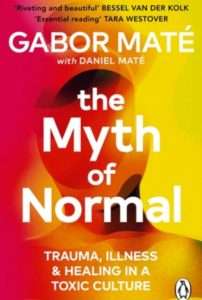
For a deep dive into infant development, sleep, and how to provide a safe, nurturing environment for your child, we recommend discovering the cutting edge research of Canadian childhood development expert, Dr. Gabor Maté. His new book The Myth of Normal, written with his son Daniel, offers insights into how we become who we are. The book begins by exploring the critical pre and post-natal periods when babies begin to make sense of their world and the role parents play in their child’s development from in utero. His research also shows how we can learn from effective ancient methods of maternal parenting to prevent early on-set traumas that can adversely affect brain development and derail children into adulthood.
The Nap Evolution
Naps are a lifeline for both babies and caregivers, but they change fast. A 2023 study from Developmental Psychology tracked how daytime sleep shifts in the first year. Newborns nap anywhere, anytime—up to 4-6 times a day. By 6 months, that often drops to 2-3 naps, and by their first birthday, many are down to a single afternoon snooze. The science says this consolidation reflects brain maturation and a growing ability to handle longer awake windows.
Timing is key. Researchers found, to no surprise to any experienced parent, naps too close to bedtime may disrupt nighttime sleep schedules. Each child is different however. A late afternoon nap may not disrupt a full night’s sleep for some children. No one knows your baby like you! Listen closely to your child’s cues, noticing her patterns.
Keep a sleep diary to help track your baby’s changes. There are plenty of apps you can use, or keep a manual diary your partner or other caregivers can contribute to. Stimulants, food, activities, environment and family dynamics can all affect your baby’s ability to settle into restful sleep. A diary can be a great tool in helping parents understand the needs of their baby. You may notice increased nap periods during developmental spurts. Remember that there is no wrong, your baby will let you know what her growing body needs.
What’s Normal? When to Check In
With all this science, it’s easy to wonder if your baby’s sleep is “on track.” The latest consensus? There’s a wide range of normal. Some 3-month-olds sleep 14 hours total, while others manage just 11, and both can be perfectly healthy. Again, no one knows your child like you do. Some children can have a three hour nap in the middle of the day, be ready for bed at 7pm, and sleep through the night. Others prefer a short recharge and sleep lightly. This is OK!
A light sleeping newborn may be exhausting for parents. Just remember this will not last. Baby will become more settled over time with your loving support and attention. The practice of leaving baby to cry it out and “self-soothe” has been largely debunked by current research. Putting the focus on baby’s needs rather than parental needs is a shift in the way we view parenting. Caring for an infant in a busy household is understandably challenging. If possible, share tending to the restless infant with your partner or a family member or a friend! If you’re feeling overwhelmed, that is normal. Reach out to people close to you that can help. Remember that your GP is also there to help. Make an appointment to discuss strategies that can support your baby and you. There is no judgement. All parents have shared the challenging experiences that come with raising children. You’re not alone : )
Sweet dreams to you and your little one!