

Te Whāriki

“Te Whāriki envisages kaiako in early learning settings"
Working in partnership with parents, whānau and community to realise this vision. The expectation is that, in their early years, children will experience a curriculum that empowers them as lifelong learners.”
unior Junction follows the government’s Te Whāriki guidelines. These guidelines provide us with implementation criteria, practice examples, and resources.
Through Te Whāriki, we ensure that every child is supported to be strong in their identity, language, and culture.
4 Main Principles
EMPOWERMENT - Whakamana
The early childhood curriculum of empowers the child to learn and grow. It recognizes the young child as a capable and competent learner, who should be provided with opportunities to actively engage in their own learning and development process. The principle of empowerment (Whakamana) within Te Whāriki underscores the importance of nurturing children’s confidence, self-esteem, and intrinsic motivation to explore, discover, and expand their understanding of the world around them.


HOLISTIC DEVELOPMENT - Kotahitanga
The early childhood curriculum of Te Whāriki reflects the holistic way that children learn and grow, acknowledging the interconnectedness of a child’s physical, social, emotional, cognitive, and spiritual dimensions. Furthermore, it supports the whole child, recognizing that learning and development occur across multiple domains simultaneously. Additionally, the curriculum encourages a balanced approach that addresses the diverse needs and abilities of each child, fostering their overall well-being and growth.
FAMILY & COMMUNITY - Whānau Tangata
The wider world of family and community is an integral part of early childhood education, as recognized by the principle of “Family and Community” (Whānau Tangata) This principle emphasizes the crucial role that families and communities play in children’s learning and development. It acknowledges that children’s learning is deeply influenced by their cultural, social, and linguistic backgrounds, and the curriculum should embrace and incorporate the diverse experiences, values, and knowledge that families and communities bring to the early childhood setting.

RELATIONSHIPS - Ngā hononga
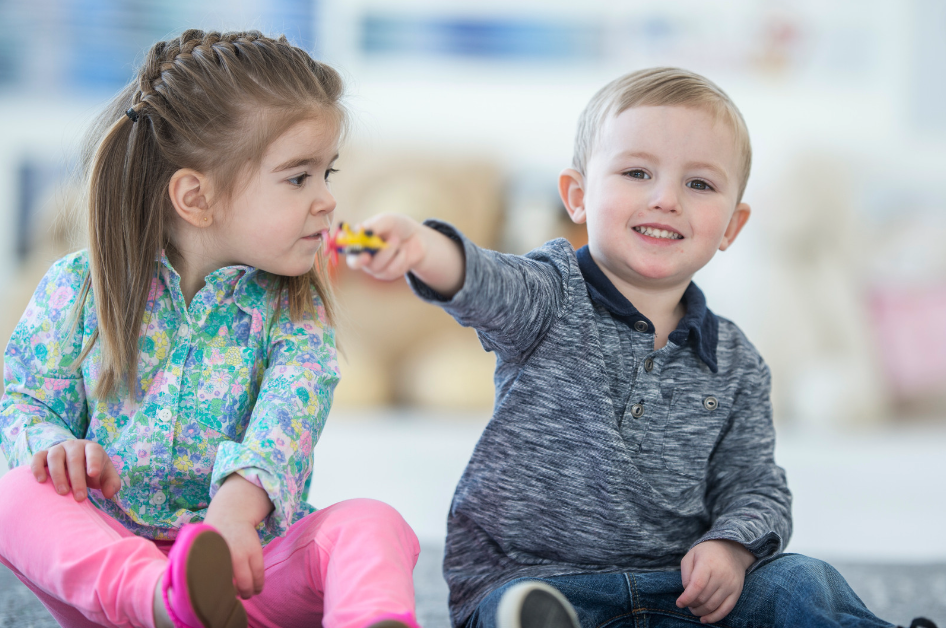
Children learn through responsive and reciprocal relationships with people, places, and things, as emphasized by the principle of “Relationships” (Ngā Hononga) This principle underscores the importance of positive, nurturing relationships in children’s lives, acknowledging that children thrive when they feel safe, secure, and cared for within their relationships with educators, peers, and family members.
