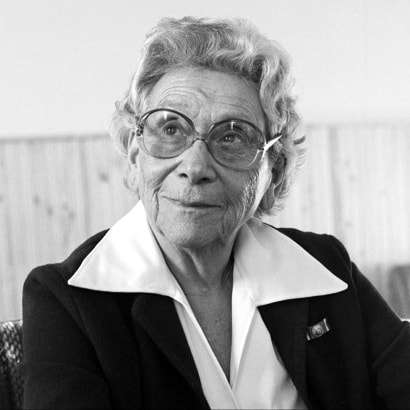
How do you support a child’s natural journey of bodily discovery? How does this process ‘unfold naturally’ and what is our role as caregivers during this period? A healthy start is to provide them with the time, space and support (physical, emotional and verbal) to discover their bodies as they slowly learn how each part works and how best to use it, according to renowned 20th century pediatrician Dr Emmi Pikler.
Her ground-breaking research on infant behaviour made a lasting impact on early childhood education and parenting. Her findings are still important and applied around the world. Particularly the practice of non-interventional play and exploration. This approach is based upon a respect for the child’s agency. The caregivers’ role is to help nurture a naturally paced developmental journey as determined by the child. A philosophy embedded well within New Zealand’s early childhood pedagogy.
A founding principle is that movement is the first language of the brain. Infants will clutch, scratch,grab their feet, and stuff their hands in their mouth. This may be somewhat involuntary, but the infant is gathering critical information that will travel straight to her brain. When a baby touches her hand to her foot for example, a new neural pathway is developed associating these body parts specifically to her. Eventually she will learn how to use them in other more complex ways, but in the meantime, she is beginning to understand how she is connected to herself, and to other people. She begins to see that others share the same anatomy, same features as her and therefore must be like her. That is why babies tend to be more interested in human faces and bodies then in objects. They are searching for themselves.
By taking the time to observe and listen, we can learn how to ensure healthy brain development. Child psychologist Anna Tardos explained how Dr Pikler “would leave out any equipment that would encourage baby’s passivity, such as seats and walkers, revealing the so far hidden abilities of infants: she showed how an infant, driven by his own initiative, is able to be active in continuous movement, to venture to new tasks. Not less important is the impact of these “discoveries” on the parent’s perception of his/her infant, which, in turn, will lead the parent to go on respecting their baby’s need for space and pace, and treat him also with tactful respect.” In essence, as caregivers we are here as guides to help children feel confident to explore independently. This is what we aim to do in our classrooms every day. Our challenge, and passion, is to create the ultimate learning environment for our children. The goal is for them to go out into the world feeling loved, peaceful and secure.