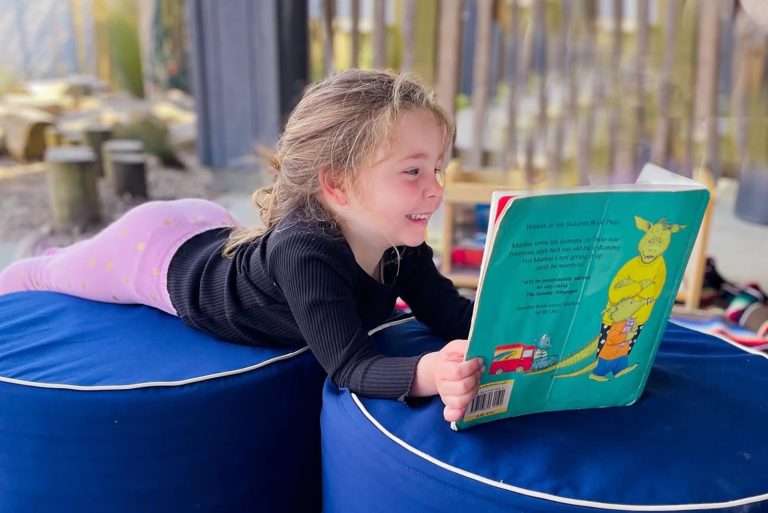
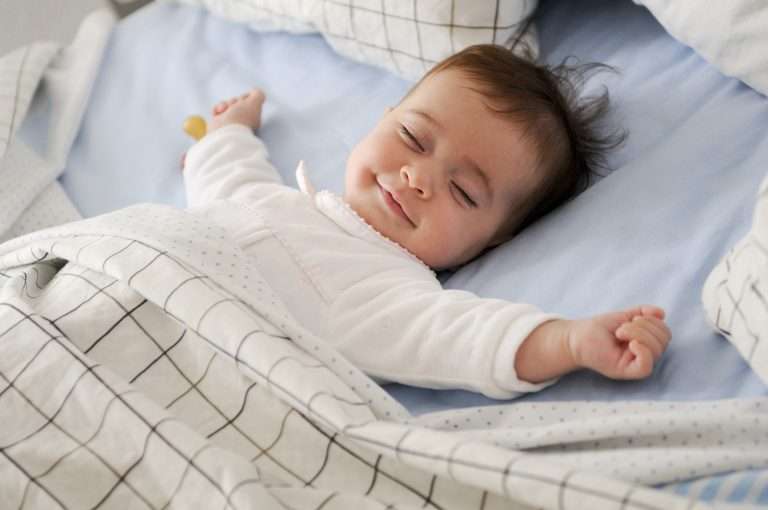
Children develop fine and gross motor skills within their everyday environments. Babies often begin this journey by putting objects in their mouth to learn about their world. This is an important stage of cognitive and physical development. When they grasp an object, new neural pathways are forged as they perfect coordination and visual skills.
Fine motor skills involve small muscles working with the brain and nervous system to control movements in areas such as the hands, fingers, lips, tongue and eyes. Gross motor skills involve the large (core stabilising) muscles of the body to perform everyday functions, such as standing and walking, running and jumping. They also include eye and hand coordination skills such as ball skills (throwing, catching, kicking) and riding a bike.

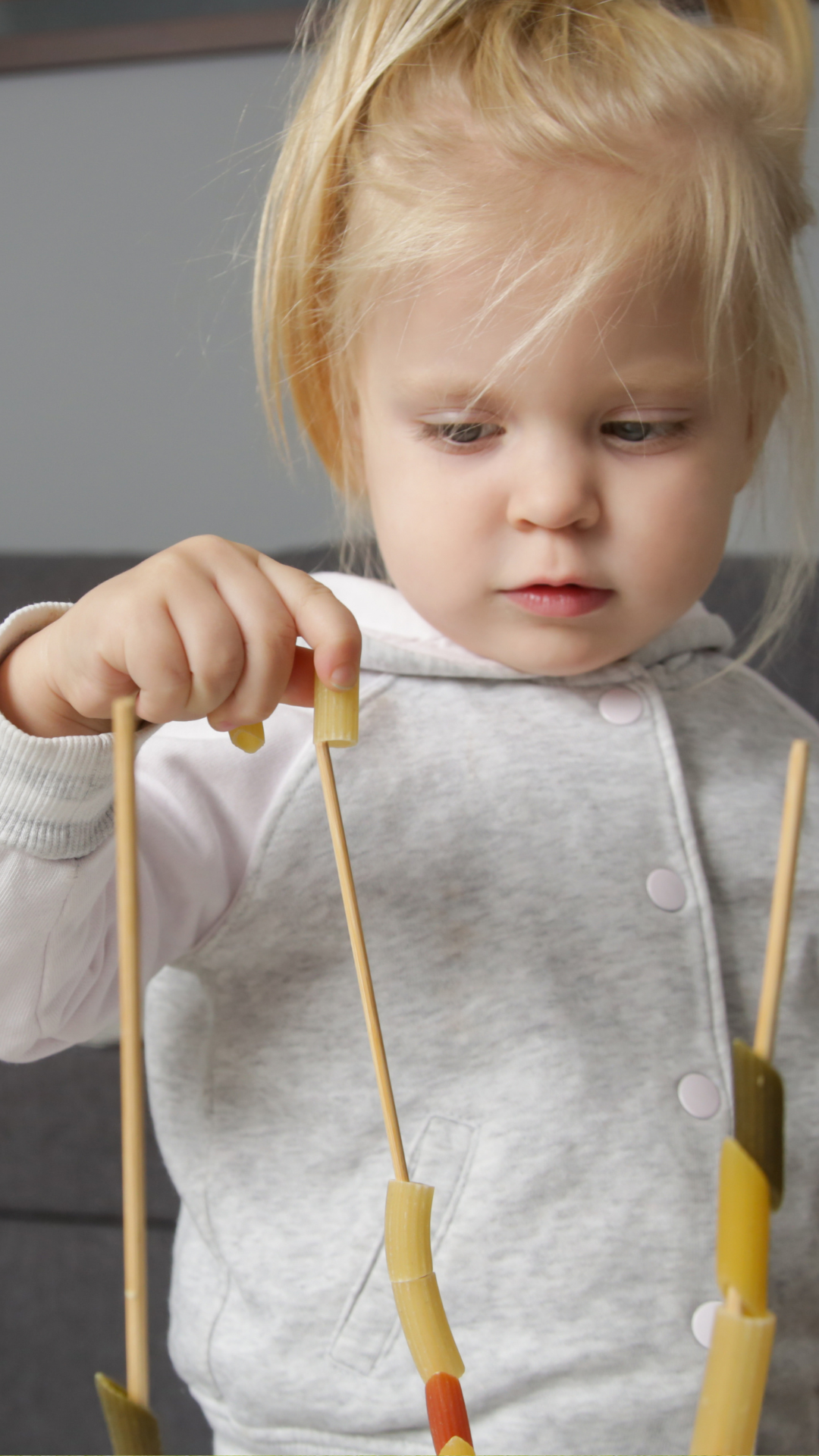
It is important that children explore fine and gross motor skill activities on a regular basis to support healthy brain and physical development.
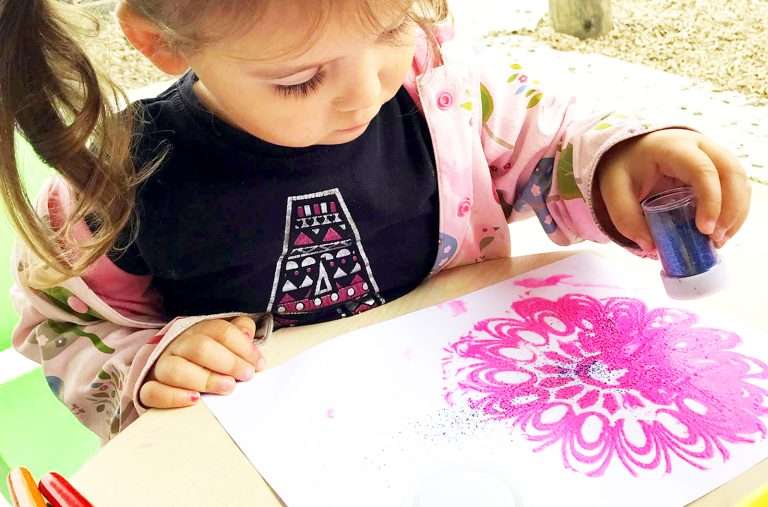
Fun fine motor skill play:
- playing with playdough
- peeling and placing stickers on paper
- ripping and crumbling paper
- threading beads
- building structures with blocks
- popping bubbles
- puzzles
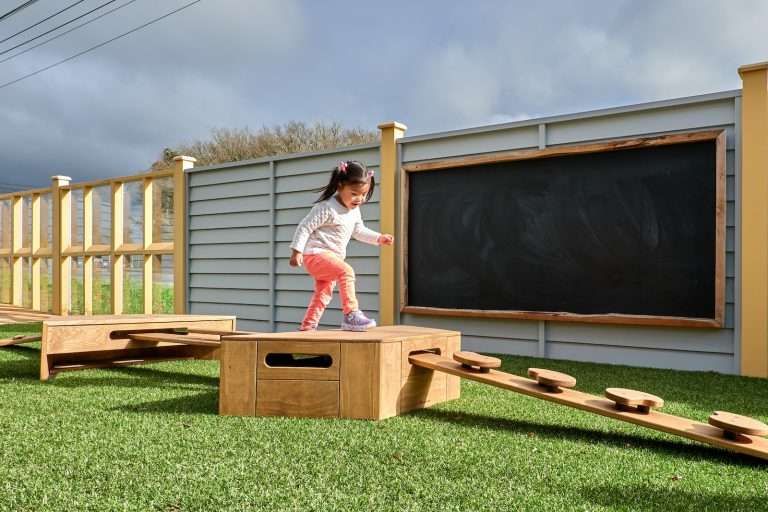
Fun gross motor skill play:
- Dancing
- Aerobics
- Riding a bike or scooter
- Simon Says
- Climbing
- Swinging
- Playing catch with large balls, or balloons
- Balancing on low beams or pillows